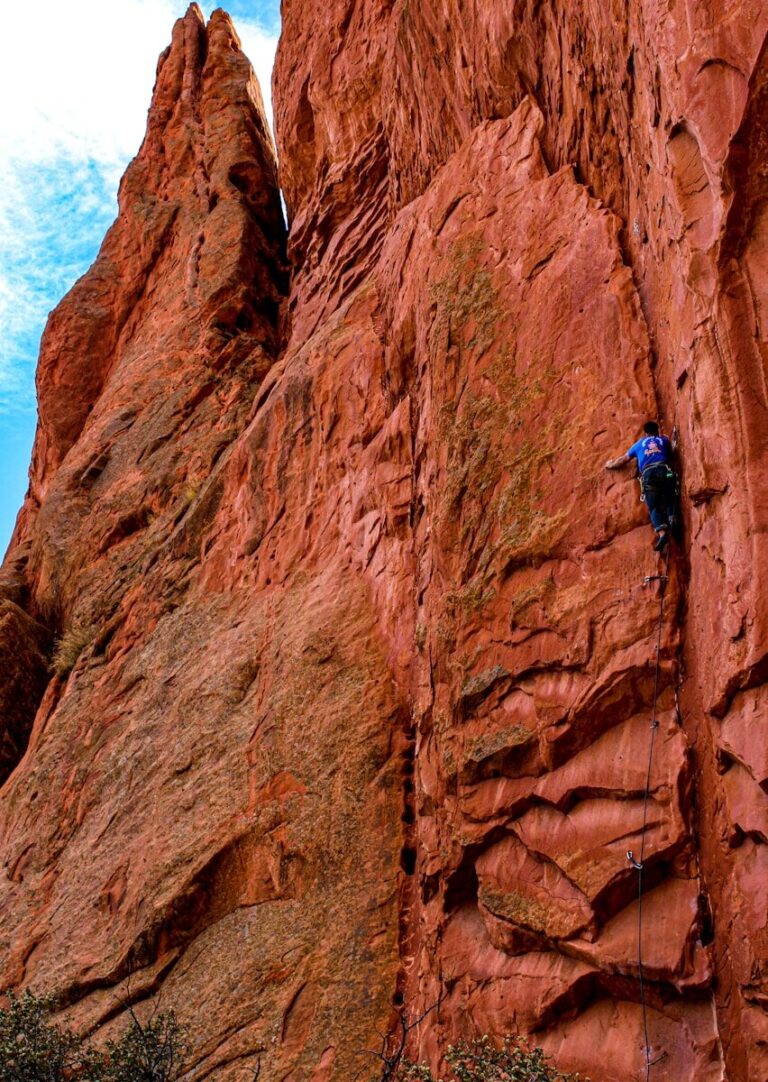
Rock Climbing in Yosemite Valley: What First-Timers Need to Know
There is no more historically significant location in American rock climbing than Yosemite Valley. The granite walls that rise from the valley floor, El Capitan, Half Dome, the Cathedral Spires, the Royal Arches, were the proving grounds where an entire generation of climbers in the 1960s and 70s invented the techniques, the ethics, and much of the vocabulary that still define the sport worldwide. Every climber who has ever chalked a hand or clipped a quickdraw is climbing in the tradition that was built here, whether they know it or not.
For a beginning climber visiting for the first time, Yosemite is equal parts inspiring and humbling. The routes that made the valley famous are not beginner routes. Understanding where new climbers actually fit in Yosemite, and how to make the most of a visit without stumbling into terrain that is far beyond your current level, takes some honest research that most travel guides do not provide.
What Kind of Climbing Yosemite Actually Is
Yosemite is primarily a crack climbing venue. The granite has been fractured over millions of years by geological processes into a system of cracks ranging from thin fingernail-width seams to body-width chimneys, and the majority of the classic routes here require crack climbing technique that most gym climbers and face climbers simply have not developed. Crack climbing involves wedging fingers, hands, or fists into the crack width and applying outward torquing pressure to generate friction, a technique that is not intuitive, requires specific practice to develop, and is quite painful to attempt without prior exposure.
If you are planning a Yosemite trip as a beginning climber who has only done gym climbing or bolted sport routes, spend time at a crack climbing area before you arrive. City of Rocks in Idaho, Red Rock Canyon near Las Vegas, and the Gunks in New York all have accessible crack routes that will give you a foundational feel for the technique. Arriving at Yosemite and attempting crack routes without any prior crack experience leads to a frustrating and potentially dangerous experience.
The Best Areas for Beginning Climbers
Swan Slab, located a five-minute walk from Camp 4, is the most appropriate area for beginner and intermediate climbers in the valley. The slab offers several routes in the 5.6 to 5.9 range on granite with excellent texture and positive features, all topped with established anchor stations. It is a genuinely good place to learn Yosemite granite’s distinctive friction properties and to practice anchor building on a short, manageable scale. The approach is simple, the exposure is minimal, and the routes are well-documented.
Five Open Books, sometimes called Ranger Rock, offers a selection of moderate crack routes including the classic Nutcracker at 5.8, which is one of the most frequently climbed routes in the park and a genuine introduction to Yosemite crack technique at a manageable grade. The Cookie Cliff area on the approach road offers bolted sport routes on steep limestone for climbers who want face climbing rather than cracks.
The Logistics That Matter
A timed entry permit is required to drive into Yosemite Valley from spring through early fall, and it must be booked on recreation.gov well in advance of your visit. Parking within the valley is extremely limited; the practical solution is to park in the day-use lots and use the free Valley Shuttle system, which connects to all major climbing areas on a frequent schedule throughout the day.
Camp 4, the historic climbers’ campsite adjacent to the main valley trailheads, is now a National Historic Landmark and remains the social center of Yosemite climbing culture. It is also extremely competitive for reservations and fills quickly. Book the moment reservations open, typically five months in advance, and have a backup accommodation plan for the same dates.
The Yosemite Mountaineering School, operating out of Curry Village, offers instruction from qualified guides ranging from one-day beginner rock climbing introductions to multi-day lead climbing and anchor building courses. For visiting climbers who do not have experienced partners, the YMS guide service provides both instruction and access to local knowledge that is genuinely difficult to replicate from guidebooks.
The Culture Worth Respecting
Check current raptor nesting closures before planning specific routes. Peregrine falcons nest on several Yosemite walls each spring, and the closures protecting them are enforced by the National Park Service with citation authority. The American Alpine Club maintains a current closures database online. Brush your chalk from holds when you leave a route; cumulative chalk impact on the granite is a documented issue on heavily traveled routes. The valley’s climbing community has maintained a set of informal ethics around route and fixed protection stewardship for decades; arriving with some familiarity with those norms is a form of respect to the community that keeps the area accessible.