How to Choose Your First Climbing Harness: What Nobody Tells You at the Gear Shop
Walk into any outdoor gear store and ask for help picking a climbing harness, and you will probably get a very helpful rundown of features you do not yet understand. Padding thickness. Gear loops. Belay loop reinforcement. It all sounds important, but nobody stops to explain the most critical question first: what kind of climbing are you actually going to do?
That is where most beginners go wrong before they even touch a real rock. They buy the harness that looks the coolest, or the one the sales associate grabbed first off the rack, and then wonder six months later why it digs into their thighs on long sport routes or feels like a canvas straitjacket at the crag on a cool day.
The Three Main Harness Types — And Why They Are Not Interchangeable
Sit harnesses are what most people picture: a padded waist belt connected to two leg loops via a belay loop in front. They are comfortable for extended hanging, quick to put on, and work well for sport climbing, gym climbing, and most trad routes. If you are just getting started, this is almost certainly what you need.
Full-body harnesses wrap around your torso as well as your waist and legs. They are primarily used for children whose center of gravity sits higher, rescue and industrial operations, and via ferrata routes where an unexpected upside-down fall is a real possibility. Most recreational adult climbers never need one.
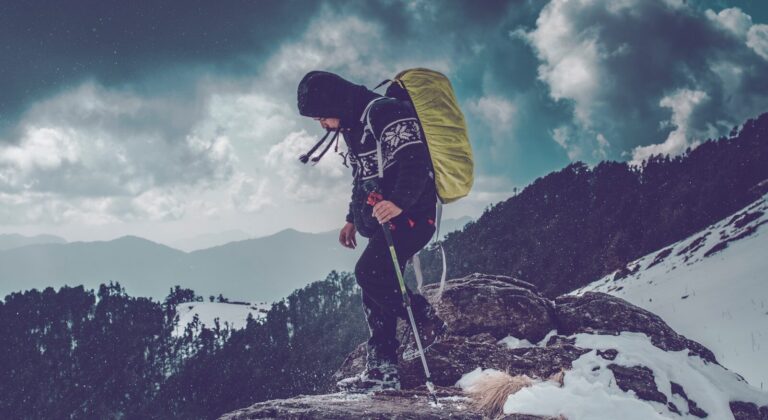
Alpine or mountaineering harnesses are stripped-down, ultralight versions designed to be put on and taken off over crampons and bulky layered clothing. They sacrifice padding for packability and weight savings. Unless you are heading into glacier travel from day one, skip these for your first harness purchase.
Fit Is More Nuanced Than It Looks
Every manufacturer will tell you to try it on before you buy. True. But here is what they usually omit: try it on with the clothes you actually climb in. Harness fit changes dramatically between summer shorts and a fleece midlayer over a base layer in October. A waist belt that sits perfectly snug in July may need two extra inches of adjustment in November. Look for models with a wider adjustment range if you plan to climb year-round in varied conditions.
The waist belt should sit above your hip bones, not resting on them. This sounds obvious until you are standing in a store and realize you have been wearing it on your hips the whole time someone was explaining gear loop features to you. Squeeze your hands between the belt and your body: you should be able to fit two fingers flat, but not your whole fist. That is the standard fit check.
Elastic leg loops that auto-adjust are a genuine convenience for sport climbing. Fixed leg loops give a more custom, secure fit for longer alpine days where you are wearing different layers at different elevations. Neither is objectively better; it depends on your climbing style.
Padding: More Is Not Always the Answer
Thicker padding means more comfort for gym climbers who spend long sessions hanging on a wall. It also means more weight and more bulk. If you are hiking four miles uphill to the base of a route before you even start climbing, those extra ounces add up in ways that matter by mile three. A well-padded harness like the Black Diamond Momentum or Petzl Corax is excellent for gym use and sport crags. A climber leaning toward alpine objectives might prefer lighter options that cut weight without cutting safety.
Safety Certification: The One Non-Negotiable
Every harness sold in the United States for climbing should meet UIAA or CE standards. Look for this certification printed on the tag or embroidered on the waist belt. No reputable outdoor retailer will sell an uncertified harness, but if you are shopping third-party online marketplaces, verify this independently before purchasing anything.
Also check the manufacture date. Harnesses degrade over time from UV exposure, friction, and the subtle degradation of materials under load. Most manufacturers recommend retirement after ten years from the manufacture date, or immediately after any significant fall, visible damage, chemical exposure, or if the history of a used harness is unclear. Never buy a stranger’s harness from a yard sale.
Bottom Line: What to Actually Buy
For most beginners heading to the gym, a sport crag, or beginner outdoor routes, the Black Diamond Momentum, Petzl Corax, and Arc’teryx AR-395a are solid starting points in the $60–$90 range. They are comfortable, durable, and versatile enough to carry you from your first top-rope session all the way through your first lead climbs outdoors.
Do not overthink it. The best harness is the one that fits correctly, meets safety standards, and suits the type of climbing you are doing now. You will refine your preferences once you have spent a season actually using it. The mountain does not care what logo is on your gear loop. It cares that you showed up prepared.