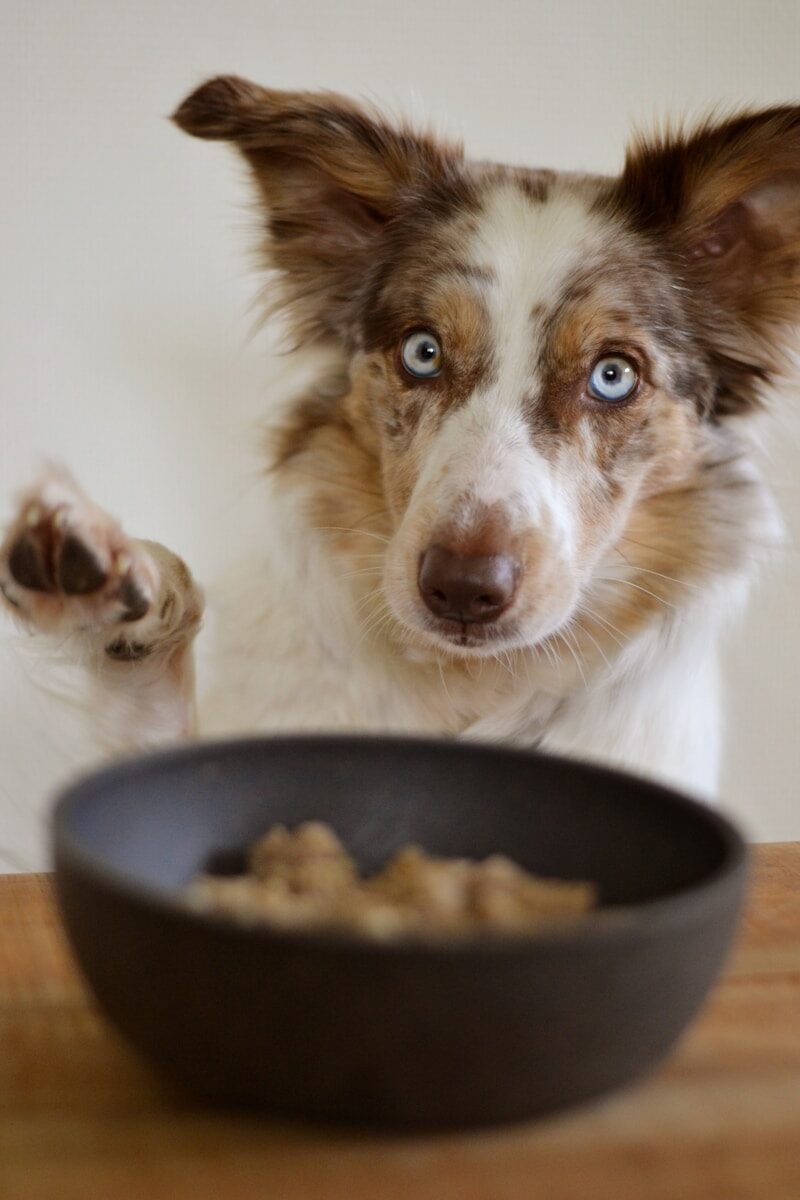
7 Vet-Approved Homemade Dog Treat Recipes
Yes, You Can Make Better Treats at Home
If you’ve ever flipped a commercial dog treat bag and struggled to decode a 40-ingredient list, you’re not alone. The good news: making your own treats is straightforward, often cheaper, and gives you complete control over what goes into your dog’s mouth. These 7 homemade dog treat recipes were developed with input from veterinary nutrition guidelines and avoid common problem ingredients like xylitol, onion powder, and excessive sodium. Each one is simple enough for a weeknight but thoughtful enough to satisfy a picky eater.
What Makes a Dog Treat Genuinely Safe?
Before you bake anything, a quick primer. Dogs metabolize certain foods very differently than humans. Grapes, raisins, macadamia nuts, chocolate, and xylitol (found in some peanut butters) are toxic — not just unhealthy. Always check your peanut butter label for xylitol before using it in any recipe.
Treats should also make up no more than 10% of your dog’s daily caloric intake. A 20-pound dog needs roughly 400–500 calories per day, so treats should stay around 40–50 calories total. Keep portion sizes small, especially for new recipes.
The 7 Recipes
1. Peanut Butter and Oat Biscuits
This is the recipe most veterinary nutritionists point to first — simple, shelf-stable, and well-tolerated by most dogs.
- 2 cups rolled oats (blended into a rough flour)
- 1/2 cup xylitol-free peanut butter
- 2 eggs
- 1/4 cup water
Mix everything into a stiff dough. Roll to about 1/4-inch thickness and cut into small shapes. Bake at 350°F for 20–25 minutes until golden and firm. Store in an airtight container for up to two weeks, or freeze for three months. Each small biscuit (about 1 inch) runs roughly 25–30 calories.
2. Sweet Potato Chews
Sweet potatoes are one of the most nutrient-dense vegetables a dog can eat — high in beta-carotene, fiber, and vitamin C. These chews also satisfy dogs who like to gnaw.
- 2 large sweet potatoes
That’s it. Wash and slice sweet potatoes lengthwise into 1/3-inch strips. Place on a parchment-lined baking sheet and bake at 250°F for 2.5 to 3 hours, flipping once halfway through. You want them leathery, not crunchy. Let them cool completely before serving. Refrigerate and use within one week.
3. Chicken and Parsley Soft Bites
Great for senior dogs or any dog with dental sensitivity. These stay soft because of the moisture from the chicken.
- 1 cup cooked, shredded chicken breast (no seasoning)
- 1 cup whole wheat flour
- 1 egg
- 2 tablespoons fresh parsley, finely chopped
- 1/4 cup low-sodium chicken broth
Pulse the chicken in a food processor until finely shredded. Combine all ingredients and mix to a thick batter. Drop by teaspoon onto a greased baking sheet. Bake at 350°F for 12–15 minutes. These stay moist — refrigerate and use within five days, or freeze in batches.
4. Pumpkin and Flaxseed Cookies
Pumpkin is well-documented for supporting digestive health in dogs. These are a go-to when a dog is having mild stomach issues.
- 1 cup plain canned pumpkin (not pie filling)
- 2 cups whole wheat flour
- 2 tablespoons ground flaxseed
- 1 egg
Combine all ingredients until a dough forms. If it’s sticky, add flour a tablespoon at a time. Roll thin, cut into small pieces, and bake at 350°F for 25 minutes. These come out crunchy and store well at room temperature for up to two weeks.
5. Frozen Banana and Yogurt Drops
No baking required. These are ideal for hot days and take about five minutes to prepare.
- 1 ripe banana
- 1/2 cup plain, unsweetened Greek yogurt (no artificial sweeteners)
Mash the banana and stir in the yogurt until smooth. Drop by teaspoon onto a parchment-lined tray and freeze for at least two hours. Serve straight from the freezer. Most dogs go wild for these. One drop is about 10–12 calories.
6. Sardine and Brown Rice Bites
This one surprises people, but sardines packed in water (not oil, not salt) are an excellent source of omega-3 fatty acids. Dogs with dry skin or dull coats benefit noticeably.
- 1 can sardines in water, drained
- 1 cup cooked brown rice
- 1 cup whole wheat flour
- 1 egg
Mash the sardines thoroughly, then mix with all other ingredients to form a dough. Roll into small balls or flatten into small patties. Bake at 350°F for 20 minutes. These have a strong smell — store them in a sealed container or they’ll perfume your entire fridge. Refrigerate and use within four days.
7. Carrot and Apple Training Treats
Training treats need to be tiny (marble-sized) and rewarding. This recipe produces a large batch of small, low-calorie bites that keep well.
- 1 cup grated carrot
- 1 cup unsweetened applesauce (or one apple, peeled and grated)
- 2 cups oat flour
- 1 egg
Mix well. The dough will be slightly wet — that’s fine. Spread thinly on a greased baking sheet and score into small squares before baking. Bake at 325°F for 30 minutes. Once cooled, break apart along the score lines. These are about 8–10 calories per piece and work perfectly for high-repetition training sessions.
A Few Practical Notes on Storage and Portions
Most homemade treats lack the preservatives found in commercial products, so they spoil faster. As a rule: if a recipe contains meat, eggs, or dairy, refrigerate it and use within four to five days. Dry, baked biscuits without animal products last longer at room temperature — typically one to two weeks in an airtight container. Freezing works for nearly every recipe here; portion them into weekly bags before freezing so you’re not thawing and refreezing repeatedly.
Introduce any new treat slowly, especially if your dog has a known sensitive stomach. Start with one or two pieces and watch for loose stool, gas, or skin reactions over the next 24 hours.
Ingredients to Always Avoid
- Xylitol — found in some peanut butters, gums, and sugar-free products. Extremely toxic.
- Grapes and raisins — can cause acute kidney failure even in small amounts.
- Onion and garlic — in any form, including powder.
- Chocolate and caffeine — no exceptions.
- Macadamia nuts — neurological symptoms even in small doses.
- Nutmeg — sometimes used in baked goods; toxic to dogs.
Making It a Habit
The easiest way to stick with homemade treats is to batch-bake once every two weeks. Pick two recipes, double each batch, and freeze half. Sunday afternoon baking sessions take about an hour and set you up for the month. Your dog gets better nutrition, you know exactly what they’re eating, and you spend less money than you would on premium commercial treats. That’s a straightforward win on every front.